
Speed is essential in the modern competitive world in the beauty and personal care industry. As a brand, the ability to introduce a product quickly with no or minimal sacrifice in quality is likely to give one a considerable market edge. Design-first packaging is one of the approaches that has transformed the process of product development. Investing in the design of packaging at the very early stages of designing a product will allow companies to simplify packaging sourcing and production support.
The Idea of Design-First Packaging
Packaging strategy whereby the packaging design is initiated simultaneously with product formulation and development, or even before. Traditionally, the product formula would be resolved, and then the packaging would be thought about, which in most scenarios turned the packaging design process into a sequential process whereby the packaging had to be modelled to suit the already existing product. This kind of traditional model is prone to developing a bottleneck when it comes to packaging the requirements or the beauty, which does not match the item. Design-first approach, in its turn, is the inclusion of packaging as the primary element of the process. It also ensures that all the functional, aesthetic, and manufacturing issues are addressed early enough and establishes a more harmonious path towards market availability.
Enhancement of Inter-team Cooperation
The first design creates interaction among the design, marketing, product development, and production units. Cross-functional teams can come to an agreement on brand identity, user experience, and regulatory requirements when packaging is thought of at the early stages of the project, even before production. This correlation will minimize cases of changes made at the last minute, which has been the order of the day where packaging is considered at a later stage of the development cycle. Consequently, the quality of such decision-making improves, the approvals are made several times quicker, and there are no delays that cannot be explained in the project. The first collaboration results in the design teams making predictions on the possible bottlenecks, e.g., material or production limitations, but the re-work cost is not incurred.
Quickening Prototyping and Refinement
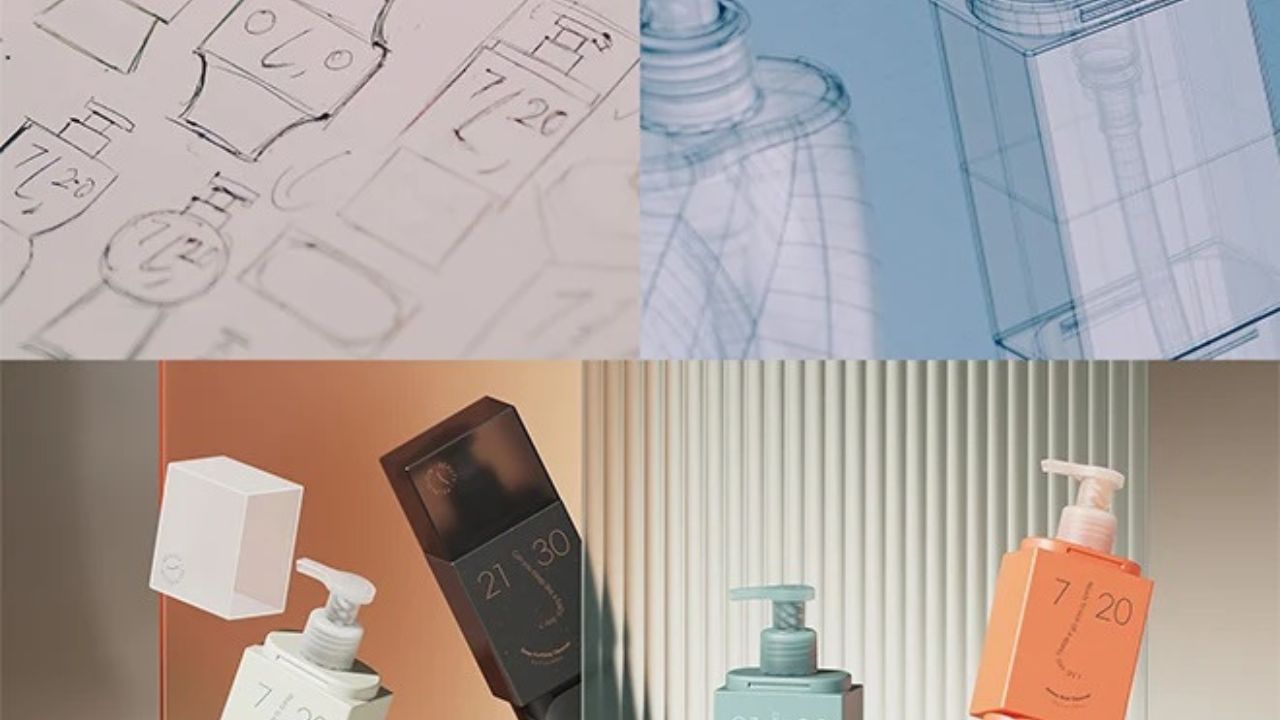
Packaging also has the benefit of rapid prototyping and iteration. Technologies that have emerged in the modern world, like 3D rendering and rapid prototyping, enable designers to see and test the packaging designs before determining to make them mass-produced. Brands have the opportunity to experiment with shapes, materials, and finishes in either a virtual or physical state and get feedback from stakeholders and consumers earlier on. This minimizes the trial-and-error phase of workflows that are characterised by delays in conventional workflows. By getting design validation early, a company will be able to make decisions on packaging more confidently and transition to production without holding up as much as possible, greatly reducing overall time to market.
Cutting down the Manufacturing Times
Due to the early design of packaging, the manufacturing processes can be controlled at an early stage. Design-first strategies take into consideration the manufacturing capacities, the cost of acquiring materials, and the legal and regulatory factors, and minimize the chances of unexpected delays in the manufacturing process. Manufacturability has been considered in packaging and improves error reduction, uniformity, and ease of coordination with suppliers. Brands implementing this model have an advantage in terms of keeping production timeframes and fulfilling the launch dates, and this is essential, especially when the product’s release is time-sensitive or during seasonal promotions.
Deepening Brand Coherence
The other benefit of design-first packaging is that it will guarantee the product lines of a brand are consistent. By dedicating attention to design at the initial stages, the brands ensure that the design of the packaging aligns with the brand messages, whether it is the location of a logo and color palettes or the fact that people will use the packaging. The brand awareness and market influence are strengthened by regular packaging, and the products have a competitive advantage. In addition, the original design position will allow marketing departments to open campaigns, images, and advertising messages at the same time, which will further reduce the time to release the product.
Promoting Sustainable Practices
The concept of design-first packaging is also a part of sustainability and efficiency. A thorough integration of the environmentally friendly materials, reusable or refillable, and minimalism designs makes sure that the sustainability objectives are implemented at the initial stage, as opposed to integrating them later on. This would minimize the last-minute changes required that lead to the delay of launching the product. Through early thinking about environmental impact, brands reduce time to market, as well as respond to the increasing demand of consumers to have responsible and sustainable packaging.
Conclusion
Design-first packaging is a new product development that transforms packaging to be an integral aspect of product development, but not a peripheral one. Early design introduction can assist the companies to enhance cross-teamwork, the prototyping process to be fast and more, and minimize manufacturing delays, brand consistency, as well as sustainable practices.